Galaxy Z Fold 8 Sales Jumped 10% After iPhone Duo Launch
Everyone expected Apple's foldable to drain Samsung's market. In South Korea, the opposite happened — and it wasn't loyalty that decided it.
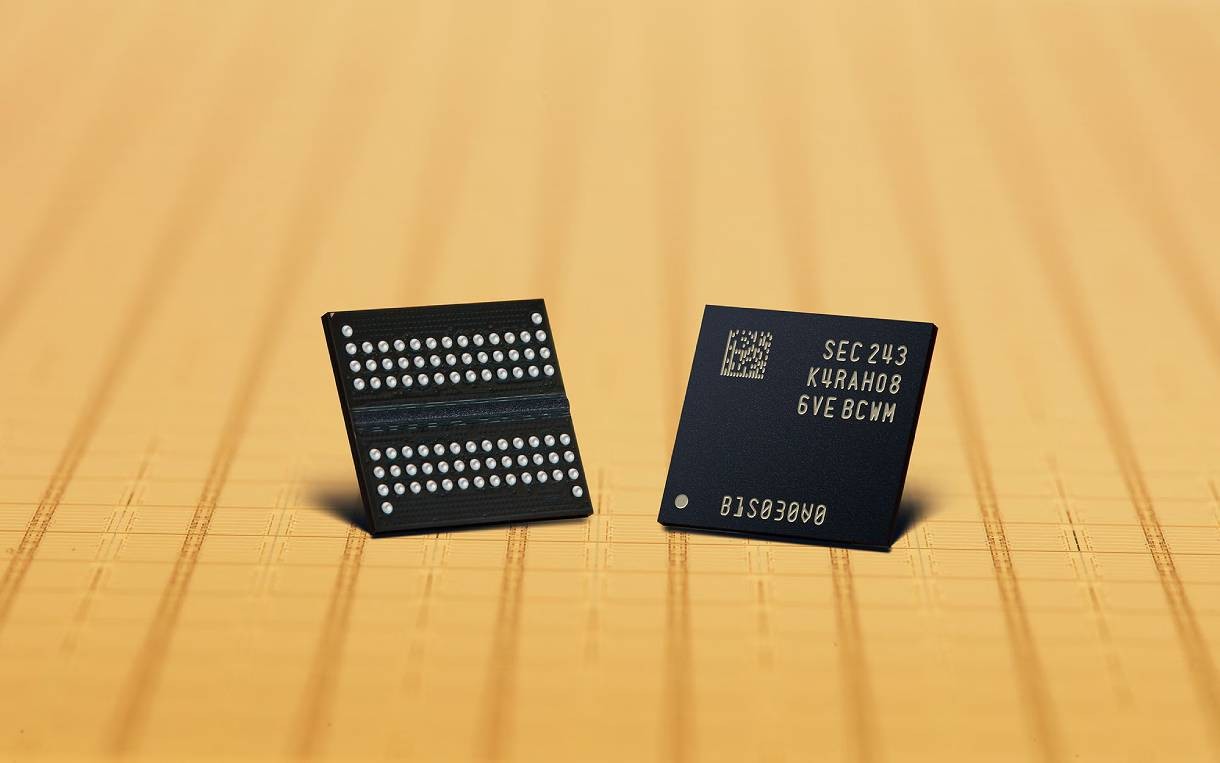
Samsung is in talks to outsource all conventional DRAM module production to partners in India, Vietnam, and the Philippines, according to sources cited by TrendForce and GSMArena. The move would free Samsung's in-house lines entirely for high-bandwidth memory — the expensive HBM chips that power AI data centers.
Samsung reportedly wants outsourced partners to finish DDR5 production lines ahead of schedule and is investing in additional capacity at those sites. Dreamtech in India is already running mass DDR5 production at its Noida plant, which launched in November 2025 and targets 50 million units a year. Hanyang Digitech in Vietnam and SFA Semicon in the Philippines are the other named partners.
Samsung's own Cheonan facility — previously used for both conventional memory packaging and Exynos mobile chip packaging — is being converted for HBM packaging. The company is investing 56 trillion won (~$41 billion) to expand HBM production at Cheonan and Onyang.
The same dynamic that makes HBM so profitable for Samsung's chip division is driving 7–10% price hikes on smartphone-grade memory. Samsung's mobile division posted its first-ever operating loss in Q2 2026 — directly caused by the internal cost of buying its own chips at market rates.
The outsourcing decision accelerates that pressure. Farming out DDR5 to third parties adds logistics and margin layers that were previously absorbed in-house. Budget smartphones have already taken the hit, and flagship prices are climbing too — the Galaxy S26 series reportedly received mid-cycle price increases in India this week, with the AI-driven memory shortage cited as the direct cause.
For Samsung's semiconductor business, the math is clear. HBM chips sell at margins that dwarf conventional DRAM. Every square meter of factory floor converted from DDR5 to HBM packaging produces more revenue. AI customers — hyperscalers building training clusters — are willing to pay premium prices and sign long-term contracts that commodity DRAM buyers cannot match.
For everyone who buys a phone, the consequence is equally clear: the company that produces roughly 40% of the world's DRAM is actively deprioritizing the type of memory that goes into smartphones. Supply will not catch up to demand until new capacity comes online, and Samsung just signaled it has no plans to build that capacity itself.
Everyone expected Apple's foldable to drain Samsung's market. In South Korea, the opposite happened — and it wasn't loyalty that decided it.
Samsung's chip division is negotiating 7–10% price hikes on already-record memory prices. Chinese OEMs first, Apple in Q4.
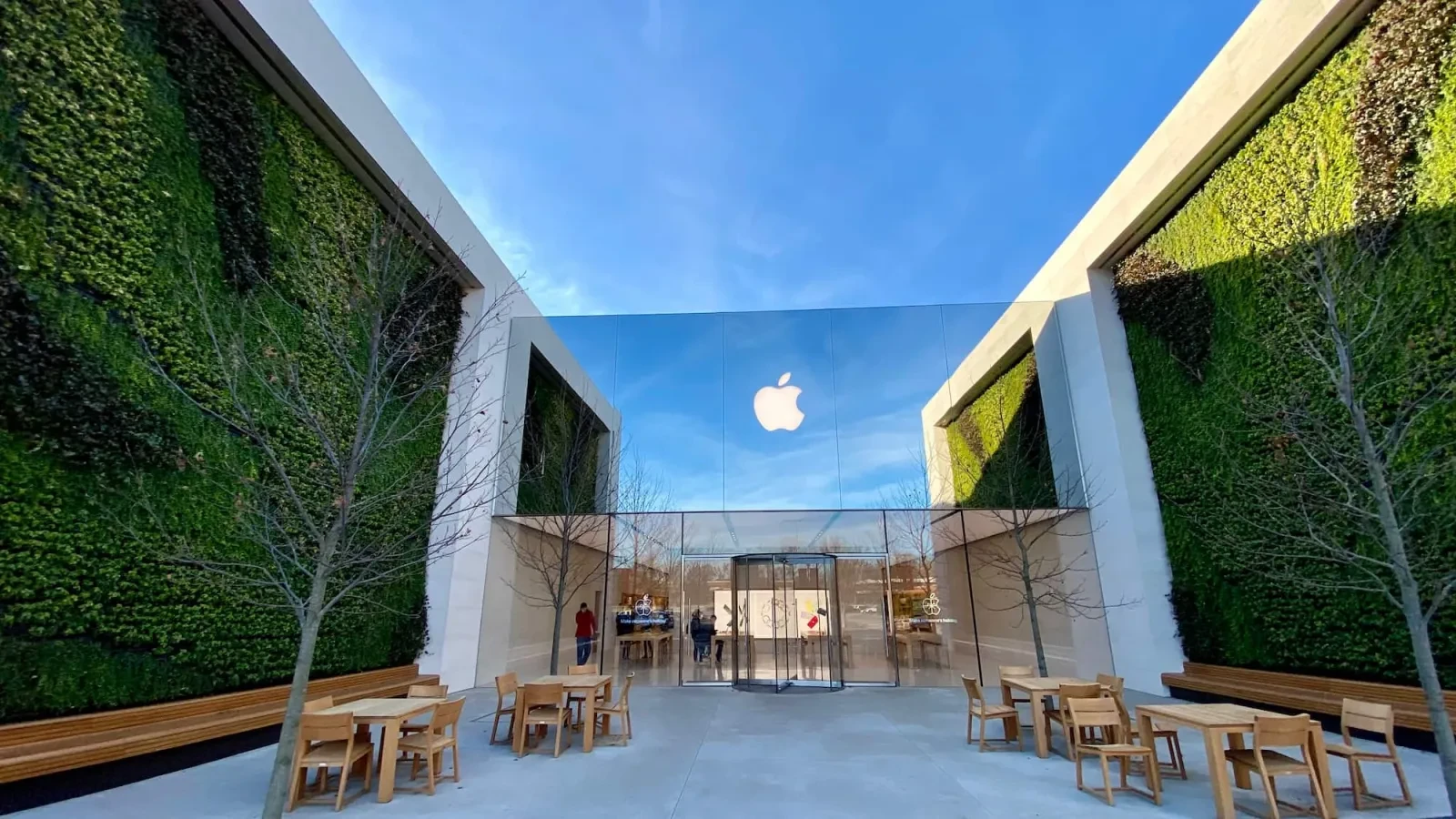
Apple is redesigning its retail stores with dedicated Genius Bars returning, new pickup counters, and overhauled Avenue sections, per Bloomberg.
New CEO Dan Schulman told investors he wants to end device deals. If Verizon follows through, your next flagship phone gets more expensive.
Organize your favorites into collections
Loading collections...
No collections yet. Create your first collection!