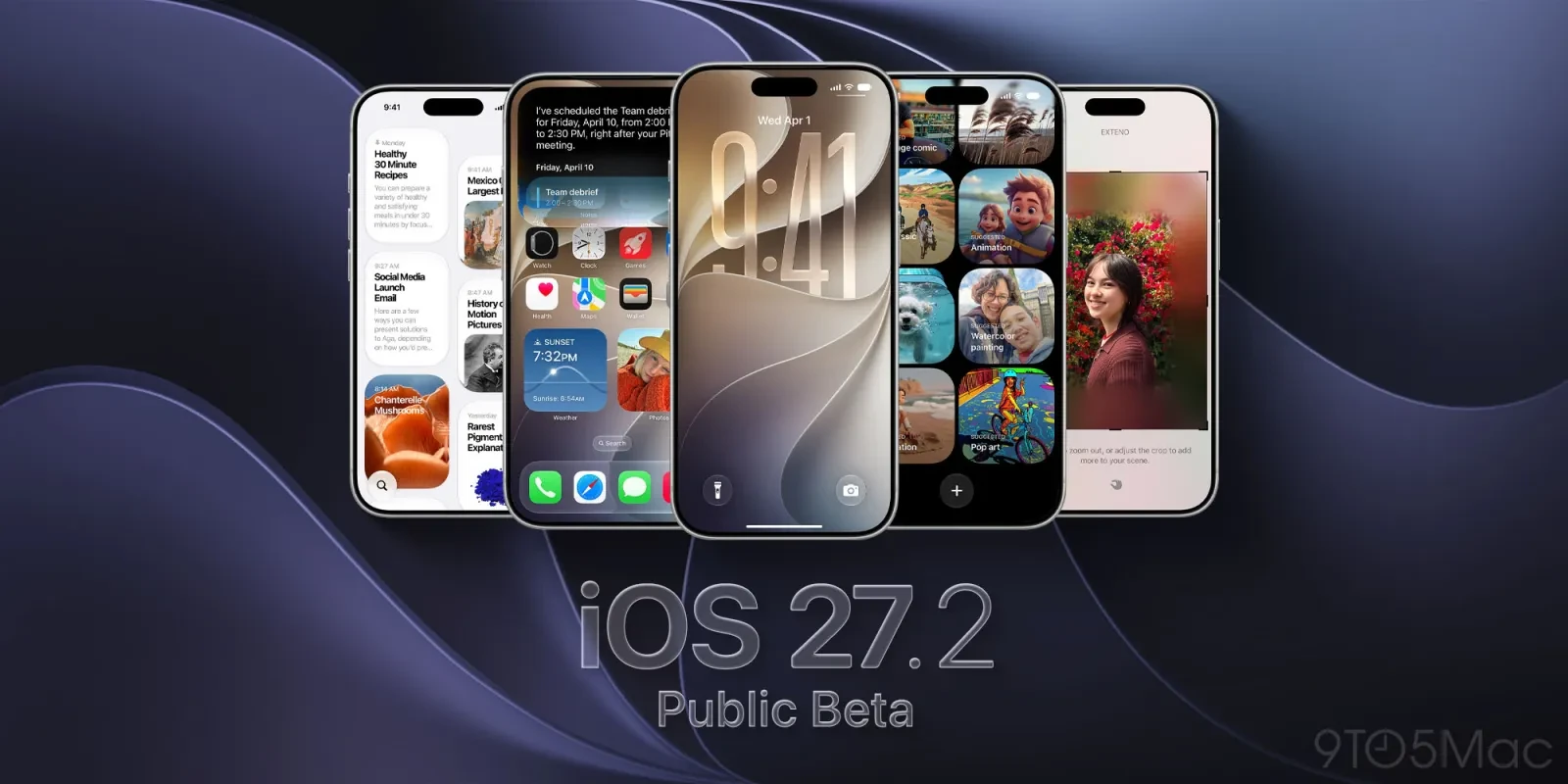
iOS 27.2 Public Beta Adds Health App Lab Tests
Apple released the first iOS 27.2 public beta with the new Health app. Users can now schedule and purchase lab tests through Quest Diagnostics.
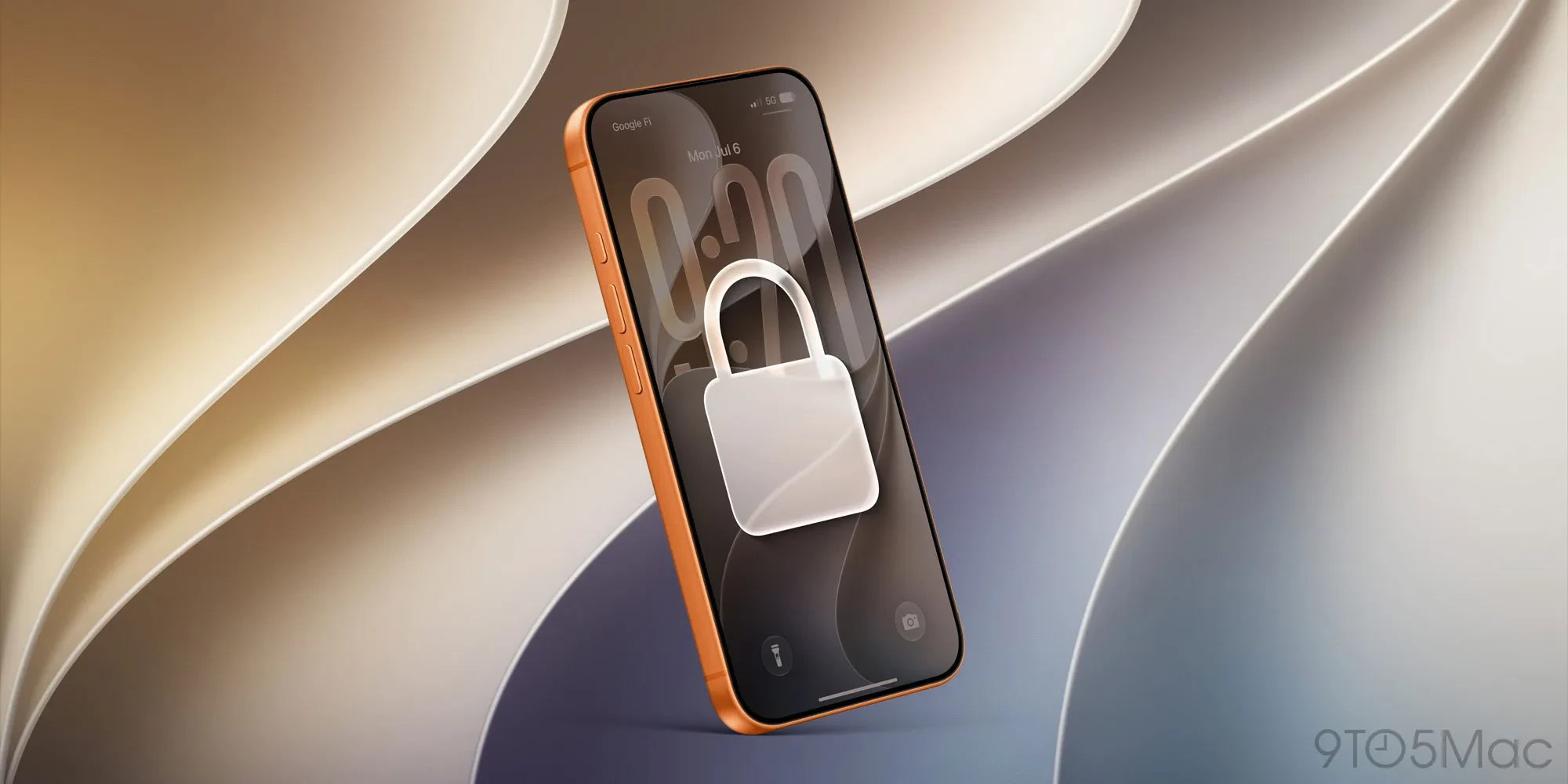
Apple is building a system that detects when an iPhone has been physically snatched from its owner's hand and locks the device automatically. The feature, internally called AutoLock, appears in iOS 27.2 beta 2 with its background service enabled — though the component that actually triggers the lock remains switched off.
AutoLock uses three signals to determine whether an iPhone may have been taken. The first is a sharp acceleration pattern consistent with the phone being grabbed and pulled away quickly. The second is an Apple Watch connection: if the paired Watch goes unreachable shortly after the acceleration event, the system treats it as corroborating evidence. The third signal is the device remaining unlocked beyond a configurable interval without any interaction.
None of these signals alone would trigger a lock. The combination is what matters — sudden motion plus the owner's Watch disappearing from Bluetooth range is a very different pattern from someone simply pocketing their phone while walking.
Apple has built in several exemptions to prevent the system from locking the phone during normal use. If the iPhone is at a location the user has designated as safe — home or workplace — AutoLock will not activate. Successful Face ID or Touch ID authentication resets the timer. And if an application is actively running in the foreground, the system defers to the assumption that the owner is present.
These guardrails suggest Apple is being cautious about the activation threshold. A feature that locks the phone during a jog or a bumpy commute would generate more complaints than it prevents thefts.
The current iOS 27.2 beta 2 enables AutoLock's background service — the part that monitors motion and connectivity — but the module that actually performs the lock is disabled. There is no user-facing toggle for the feature anywhere in Settings. Apple has not acknowledged the feature publicly.
This is consistent with Apple's approach to major security features: the infrastructure ships first in beta, the activation comes later. iPhone 18 Pro and iPhone 18 Pro Max users running the beta have the monitoring code active on their devices — though those units are already dealing with a separate Face ID bug that triggers system reboots in the current release.
Phone snatching is a growing problem in cities like London, where thieves on bicycles or mopeds grab phones from pedestrians' hands. Apple's existing Stolen Device Protection, introduced with iOS 17, restricts what a thief can do with a stolen phone — but only after the owner marks it as stolen. AutoLock would intervene at the moment of theft itself, before the owner even realizes what happened.
Apple released the first iOS 27.2 public beta with the new Health app. Users can now schedule and purchase lab tests through Quest Diagnostics.
iOS 27's Apple Intelligence needs 14GB on the newest iPhones — nearly double what iPhone 15 Pro and 16 Pro require. Two features drive the jump.
Apple's biggest software day in years. Seven platform updates at once, all headlined by Siri AI — still in beta, waitlist and all.
A developer found two mechanisms in iOS 27 code — one goes further than Apple announced, replacing the server-side model entirely.
Organize your favorites into collections
Loading collections...
No collections yet. Create your first collection!